Lighting Design for West Michigan: Support Your Natural Rhythm
Lighting Design for West Michigan: Support Your Natural Rhythm
Buying light bulbs used to be simple. Now, standing in the aisle or scrolling online can feel overwhelming—so many choices, numbers, and promises. It’s a universal frustration, and one I hear about often. But with a little guidance, lighting can shift from being a stress point to becoming a source of support in your home.
The Language of Light: Understanding Kelvin
When choosing bulbs, one of the first things to look at is the Kelvin temperature (K). This number tells you the color of the light:
2700–3000K creates a soft, warm glow that feels cozy and inviting.
Higher Kelvin numbers (3500–5000K) lean cooler and whiter, mimicking bright daylight.
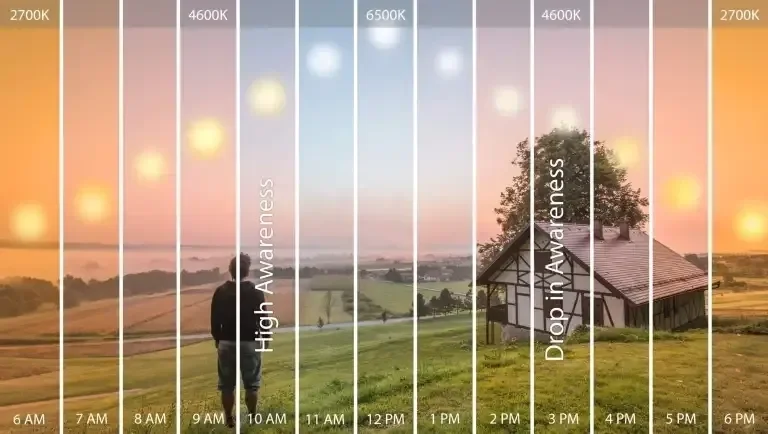
Nature gives us the perfect example. The sun starts the day in warm tones, brightens to cool midday light, then eases back into soft amber hues as evening approaches. Here in West Michigan, the contrast is especially striking—long summer days with radiant blue skies, followed by the muted grays of our extended winter. Our bodies are designed to respond to these rhythms. Bright, cool light tells us to be alert. Warm, dim light signals it’s time to slow down.
Light and Your Circadian Rhythm
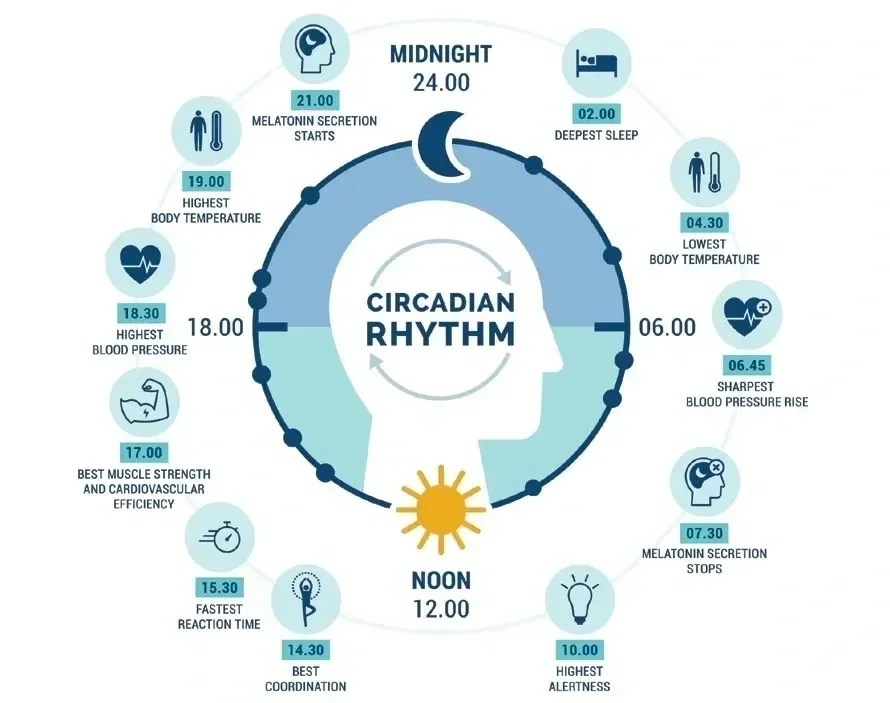
Our circadian rhythm—the body’s natural sleep-wake cycle—is deeply influenced by light. Bright, cool light can trigger cortisol production, keeping us focused and alert. That’s helpful in task-driven spaces like offices or kitchens, but if you flood your home with cool light in the evening, you risk disrupting melatonin production—the hormone that helps us rest.
That’s why I encourage homeowners to wind down with warmer lighting at night. It’s more than ambiance; it’s biology working in your favor. For Michigan homes, where our exposure to natural daylight is already limited during winter, thoughtful interior lighting becomes even more important.
My Professional Approach to Lighting Design
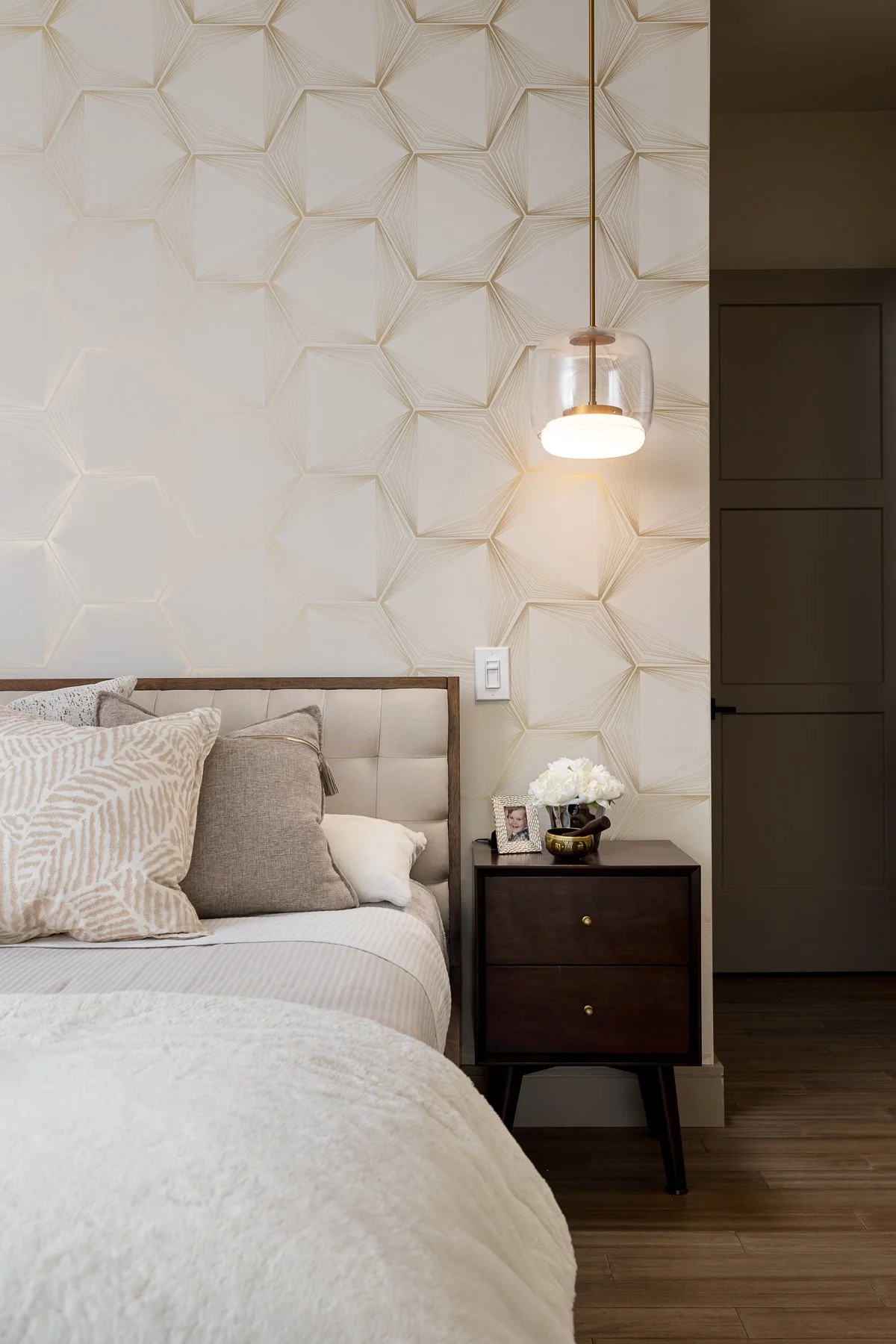
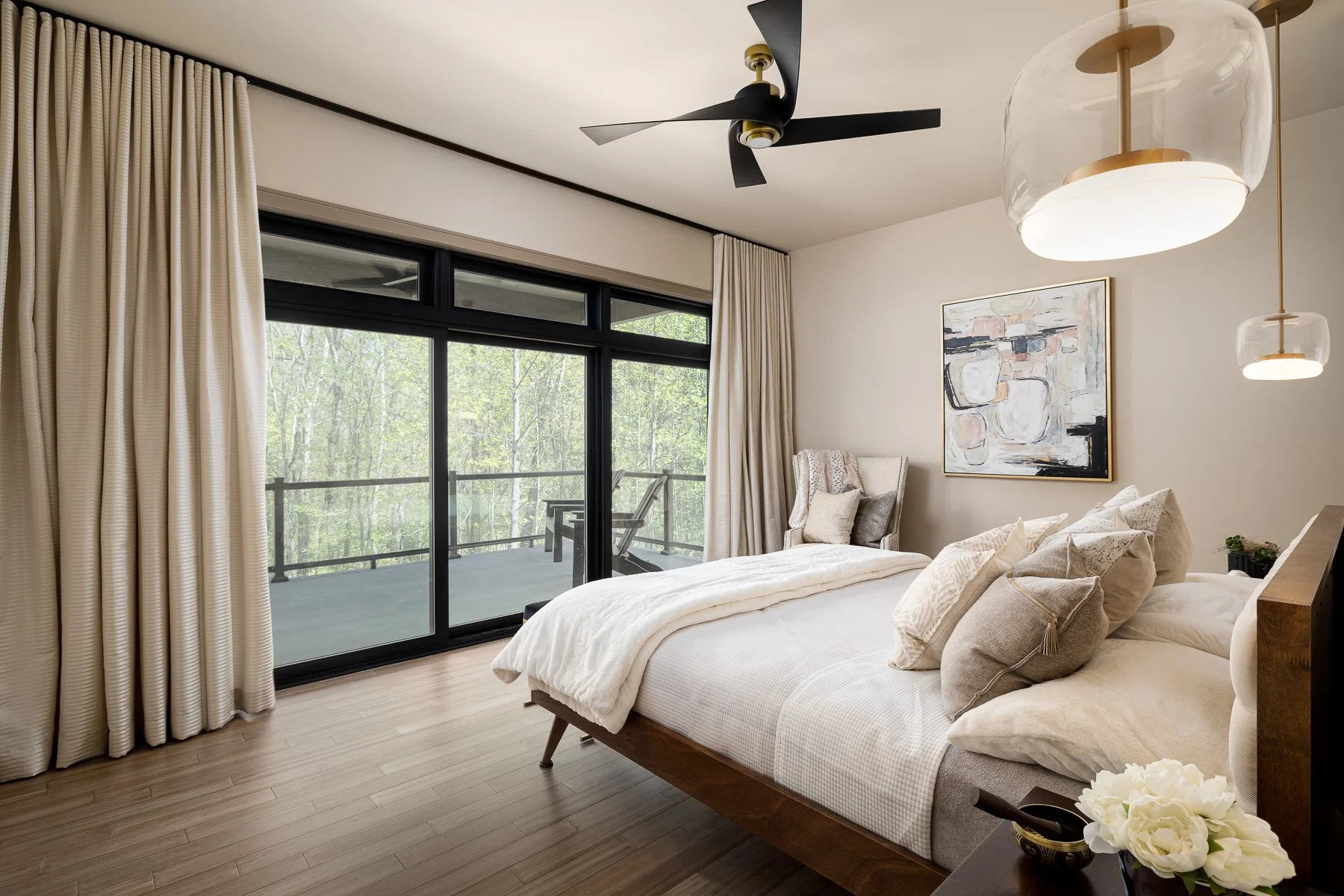
In residential spaces, I recommend keeping all light fixtures within the 2700–3000K range for continuity. Avoid mixing different temperatures as this creates a jarring, disjointed feel. When ordering integrated LEDs, I ensure they match this preference, and I source recessed and replacement bulbs with the same Kelvin for consistency.
Dimmers are another essential tool and can be utilized throughout the home. In high-task areas like kitchens and bathrooms, dimming allows you to set bright light for chores, then soften it to support relaxation as the day winds down.
Light isn’t just about color, though—it’s about brightness, too. Here’s a general guide we use:
10–20 lumens per square foot for restful spaces such as bedrooms or living rooms.
Up to 50 lumens per square foot for task-heavy areas like kitchens and baths.
And in bathrooms, I recommend fixtures with a CRI (Color Rendering Index) of 92 or higher. This ensures that skin tones and colors appear true—important for daily grooming and cosmetic application.
Finding Comfort in Michigan Winters
Living in West Michigan, I know the deep gray days of winter can weigh on our spirits. That’s why I encourage accent lighting for comfort as well as function. Himalayan salt lamps and rechargeable lumineers are wonderful ways to brighten corners and hallways extending the warm glow of summer into the winter months.
In my own home, I keep a small, treasured lamp on my bedroom dresser—a simple fixture with a 40-watt bulb. Each evening in the colder months, I turn it on as part of my wind-down routine. Its soft glow lights the hallway and my room gently, maintaining a gentle energy in the space.
Rechargeable lumineers are also excellent for guest spaces. They create a welcoming glow at bedtime and can even serve as a portable torch if someone needs to navigate the house after dark.
Lighting with Intention in West Michigan Homes
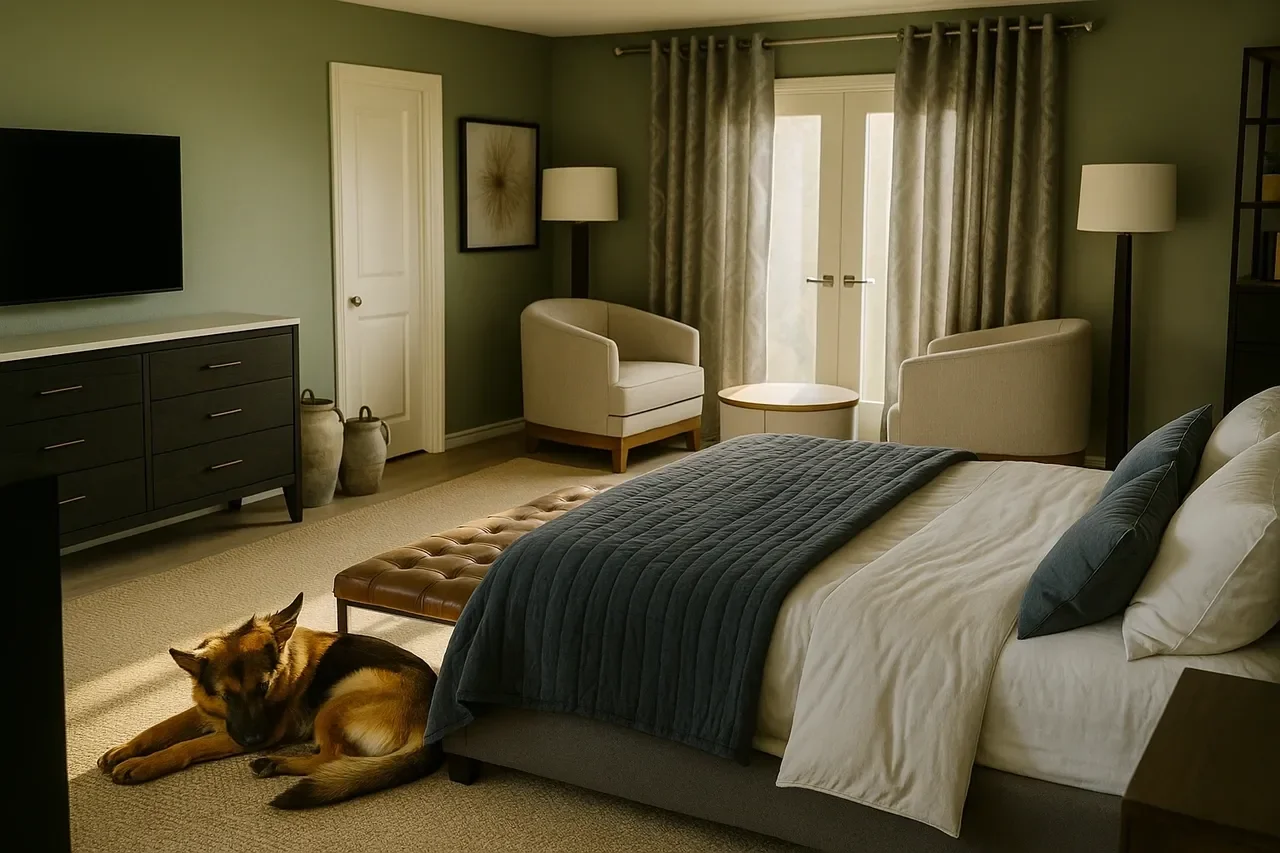
Your home’s lighting has the power to transform—whether it’s highlighting architectural features, creating drama, supporting daily tasks, or nurturing your well-being. But it can also work against you if not chosen wisely.
Thoughtful lighting design isn’t about choosing the brightest bulb; it’s about balancing light with your natural rhythm. Done well, it supports your health, comfort, and lifestyle. And that’s exactly where working with a professional can make all the difference.
At Tranquil Interiors, we view lighting as more than utility—it’s a vital element of sanctuary. For West Michigan homeowners, it can be the bridge between our bright summer skies and our long, gray winters. With the right plan, your lighting can become a quiet, steady partner in your daily life, enhancing not only the way your home looks, but how it feels. lighting for wellness circadian lighting for home
Welcome to the Neuro Design Blog
Leading insights on the connection between interior design and wellbeing.

Deanna Girardot, SIDC
Founder and Principal Interior Designer
Tranquil Interiors
Recent Posts