Digital Detox Zones for West Michigan Homeowners
Digital Detox Zones for West Michigan Homeowners
In today’s always-on culture, our phones and devices rarely leave our side. While technology keeps us connected, it can also quietly erode sleep, raise stress, and even distance us from the people right in front of us. Intentionally designed digital detox zones bring balance back into the home, creating spaces to improve sleep, lower stress, and reconnect.
What are digital detox zones?
Digital detox zones are areas of the home or workplace designed to reduce or eliminate screens and digital distractions. Their purpose is to support connection—whether that’s reconnecting with oneself through rest and reflection, or with family and friends through meaningful interaction. These spaces also limit exposure to blue light, which is proven to disrupt circadian rhythm and interfere with restorative sleep.
What are the 3 main rooms one should digitally detox and why?
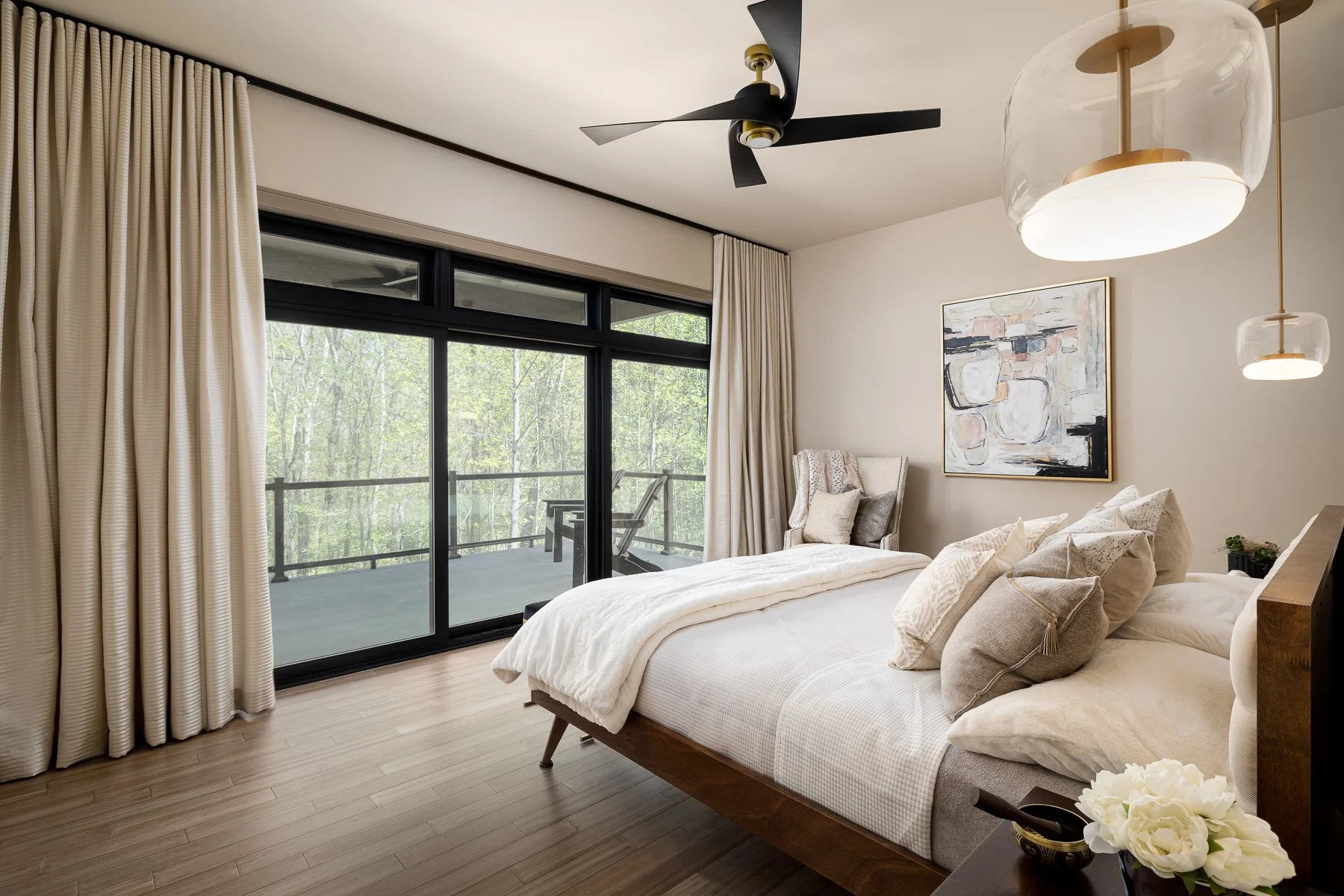
Bedroom – This is where digital detox matters most. Blue light exposure before bed suppresses melatonin, disrupts sleep cycles, and increases cortisol. By removing phones, TVs, and tablets, you’re signaling to your body and mind that it’s time for rest.
Dining Area – Mealtimes are natural opportunities for connection. A screen-free table encourages conversation, gratitude, and presence, whether you’re dining solo or with loved ones.
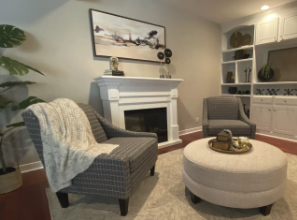
Respite & Recharge Space – Every home should have at least one screen-free zone dedicated to recharge—this could be a cozy reading nook, meditation space, or a favorite chair by the window. These areas invite the brain and nervous system to shift into a calmer state.
How to digitally detox a space
Start by setting a shared intention with everyone in the household. From there, design plays a crucial role:
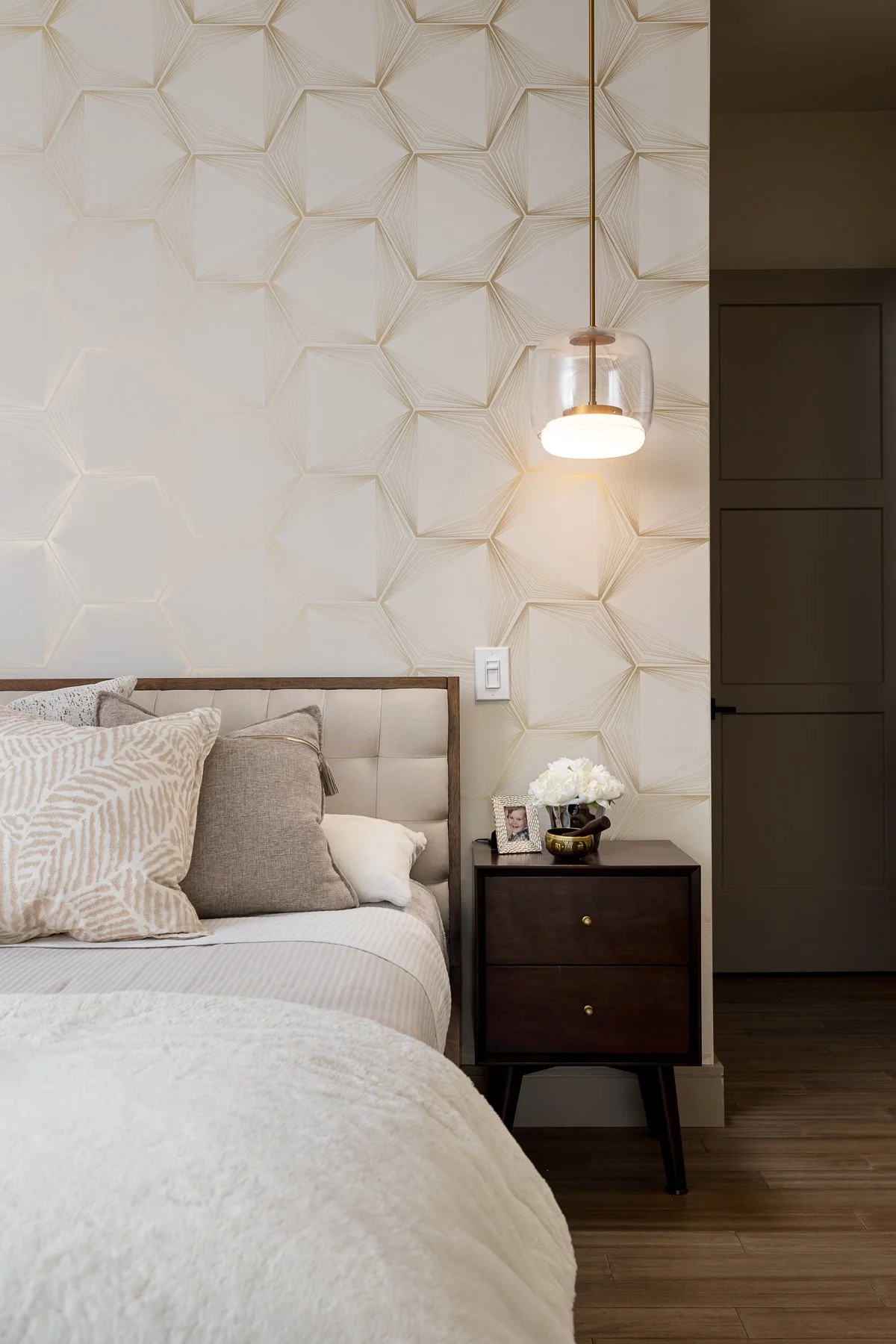
Bedroom: Replace your phone alarm with a simple clock. Place charging stations outside the room to resist the temptation of late-night scrolling. A bedside lamp with warm lighting helps signal the body that it’s time to wind down and can set the mood for reconnection.
Dining Area: Keep tactile activities within reach—board games, puzzles, or even a ritual of sharing daily highlights or gratitude practices. A well-set table with layered textures, natural lighting, and comfortable seating can make lingering at the table more inviting.
Respite/Recharge Spaces: Provide analog alternatives such as a stack of books, a journal, or craft supplies. Soften the space with natural textures, greenery, or calming scents to reinforce the restorative purpose of the zone.
How do digital detox zones help wellness?
Digital detox zones give our brains and nervous systems a much-needed pause from constant stimulation, reducing stress, anxiety, and the overproduction of cortisol. Stepping away from screens—especially one hour before bedtime—improves sleep quality, mood, and focus.
Equally important, these zones strengthen human connection. Loneliness is now considered a public health epidemic, outpacing smoking and obesity as a health risk. By setting aside device-free areas, we reconnect with ourselves and with the people we love, improving both emotional resilience and overall well-being.
Deanna Girardot is the founder of Tranquil Interiors, a West Michigan–based design studio specializing in Neuroaesthetics and Biophilic Design. Certified in Science in Design, she helps clients create authentic, restorative spaces that support well-being, connection, and calm.
If you’d like to explore how a digital detox zone can enhance your home, contact us for a consultation.
Welcome to the Neuro Design Blog
Leading insights on the connection between interior design and wellbeing.

Deanna Girardot, SIDC
Founder and Principal Interior Designer
Tranquil Interiors
Recent Posts