The Case for Separate Sleeping Spaces | Sleep-focused interior design
The Case for Separate Sleeping Spaces: Designing for rest, health, and relationship wellbeing
Everyone knows the value of a good night’s rest, and the physical, emotional, and mental toll when sleep is consistently disrupted. Poor sleep affects mood, concentration, energy, patience, and the way we move through daily life.
Over time, sleep deprivation can also affect long-term health. Research has linked insufficient sleep with increased risk for high blood pressure, heart disease, stroke, diabetes, obesity, depression, and other chronic health concerns. It can also affect cognitive health, including attention, memory, decision-making, and emotional regulation.
Yet despite the importance of restorative sleep, many couples continue forcing a shared sleep arrangement that may no longer support either person well.
The truth is, separate sleeping spaces are not necessarily a sign of relational disconnect. In many cases, they are a thoughtful, supportive solution that allows both partners to feel healthier, more rested, and ultimately more connected.
At its core, creating separate sleeping spaces is about honoring individual needs while supporting the relationship as a whole.
When separate sleeping spaces make sense
There are many reasons why an otherwise healthy and loving relationship may benefit from separate sleeping arrangements.
Separate sleeping spaces can be especially helpful when one or both partners are navigating disrupted sleep, different routines, changing health needs, or simply different sensory preferences. Interior design can support these needs by creating sleep environments that are quieter, more comfortable, more personalized, and more conducive to true rest.
Young families and the demands of parenthood
For families with newborns or young children, sleep becomes fragmented almost overnight. Often, one parent relocates to the sofa in hopes of minimizing disruptions for the other partner. Unfortunately, sofas rarely provide the support, comfort, or quiet needed for meaningful rest.
A designated secondary sleeping space, whether within the nursery or a nearby spare room, allows the tending parent to sleep more comfortably while remaining accessible for nighttime care.
Parents can rotate occupancy depending on who is on duty, creating a more supportive arrangement for everyone involved.
Different work and sleep schedules
Not every household operates on a traditional 9-to-5 rhythm. Shift work, early mornings, overnight schedules, or different sleep routines can make shared sleeping difficult.
Separate sleeping spaces remove many of the disruptions that naturally occur when one partner needs to enter or move through the room while the other is asleep.
For daytime sleepers especially, location matters. A sleep space positioned away from household activity, combined with blackout window coverings, sound machines, proper airflow, and personalized bedding, can dramatically improve rest quality.
Consistency also becomes important. Establishing predictable sleep routines allows both the sleeper and the household to function more harmoniously, even when schedules are unconventional.
Physical factors that disrupt shared sleep
Sometimes the need for separate sleeping spaces has less to do with schedules and more to do with physical comfort and changing health needs.
Snoring and sleep devices
Snoring has long been one of the most common complaints among sleep partners. While devices such as CPAP machines may dramatically improve the health and sleep quality of the person using them, they can also introduce new sounds, light, or movement that disrupt a light-sleeping partner.
For some couples, moving into separate sleep spaces becomes less about avoidance and more about allowing both people to achieve truly restorative rest.
Menopause and changing physical needs
Women experiencing menopausal symptoms often struggle with night sweats, insomnia, temperature fluctuations, aching joints, or frequent repositioning throughout the night.
The pressure to remain quiet or avoid disturbing a partner can add another layer of frustration to an already exhausting experience.
Separate sleeping spaces can provide freedom to adjust bedding, temperature, lighting, clothing, or movement without concern for waking someone else.
Aging and sleep changes
Separate sleeping spaces are often more socially accepted among aging couples, largely because sleep patterns and physical needs naturally evolve over time.
One partner may go to bed significantly earlier, wake frequently during the night, require nighttime care, or have routines that unintentionally disturb the other.
In some cases, maintaining individual sleeping spaces during the week while intentionally sharing a room at other times can preserve both rest and closeness.
This arrangement can become an act of care rather than separation.
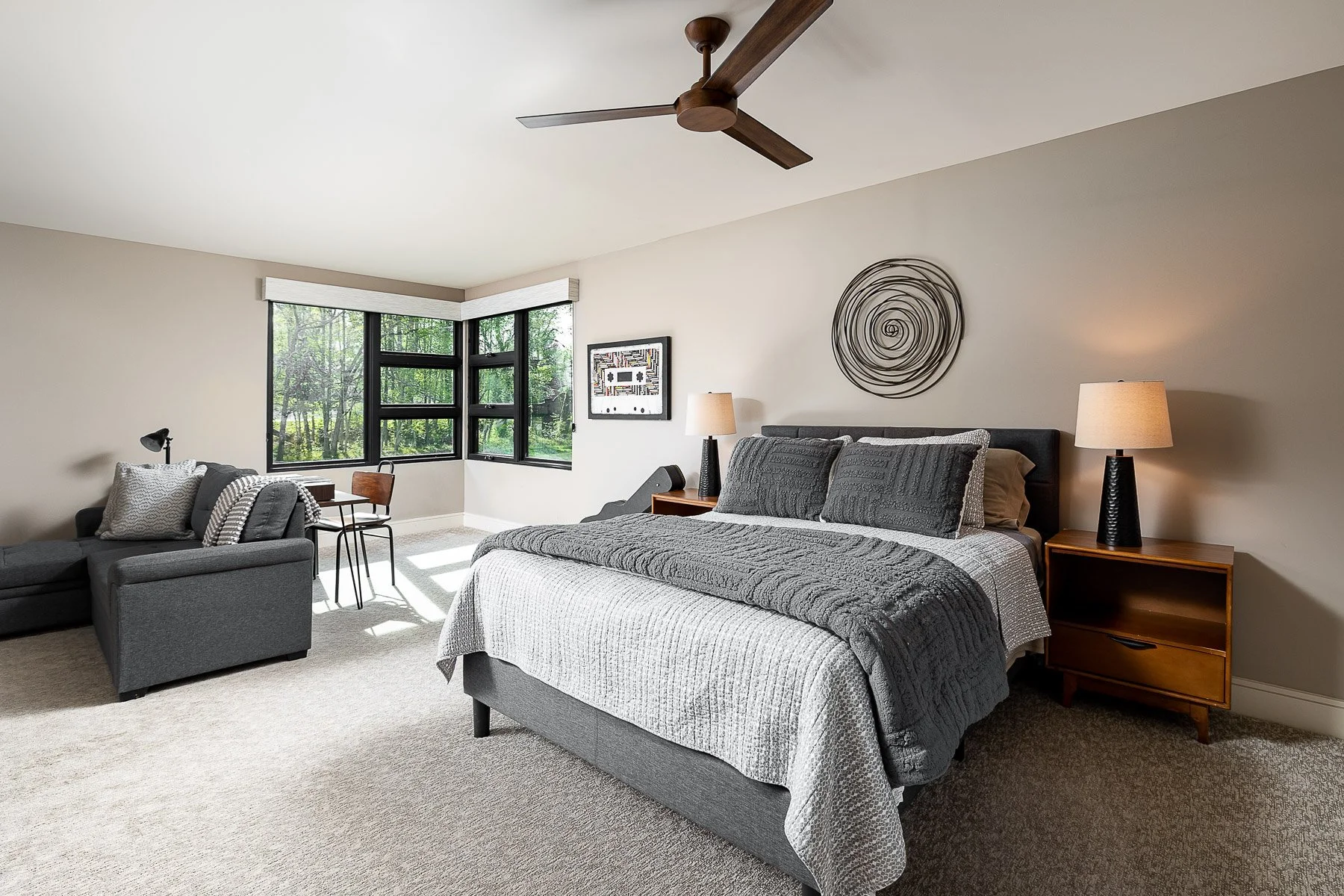
The importance of personalized sleep environments
No two people experience comfort in exactly the same way.
One partner may prefer cool temperatures and moving air while the other wants warmth and layered bedding. One may sleep best with white noise while the other craves complete silence.
Texture, illumination, mattress firmness, blanket weight, airflow, room temperature, and even room aesthetics all influence how supported and relaxed we feel at night.
Separate sleeping spaces allow each person to fully customize their environment without compromise.
And perhaps just as importantly, they allow sleep itself to become intentional.
Creating a sleep space that supports you
If you decide separate sleeping spaces could benefit your household, approach the transition thoughtfully.
Start with comfort. Make sure the mattress is supportive and appropriately sized. Then evaluate your personal preferences, including:
Bedding weight
Fabric texture
Room temperature
Airflow
Lighting levels
Sound management
Mattress firmness
Window coverings
Storage and bedside function
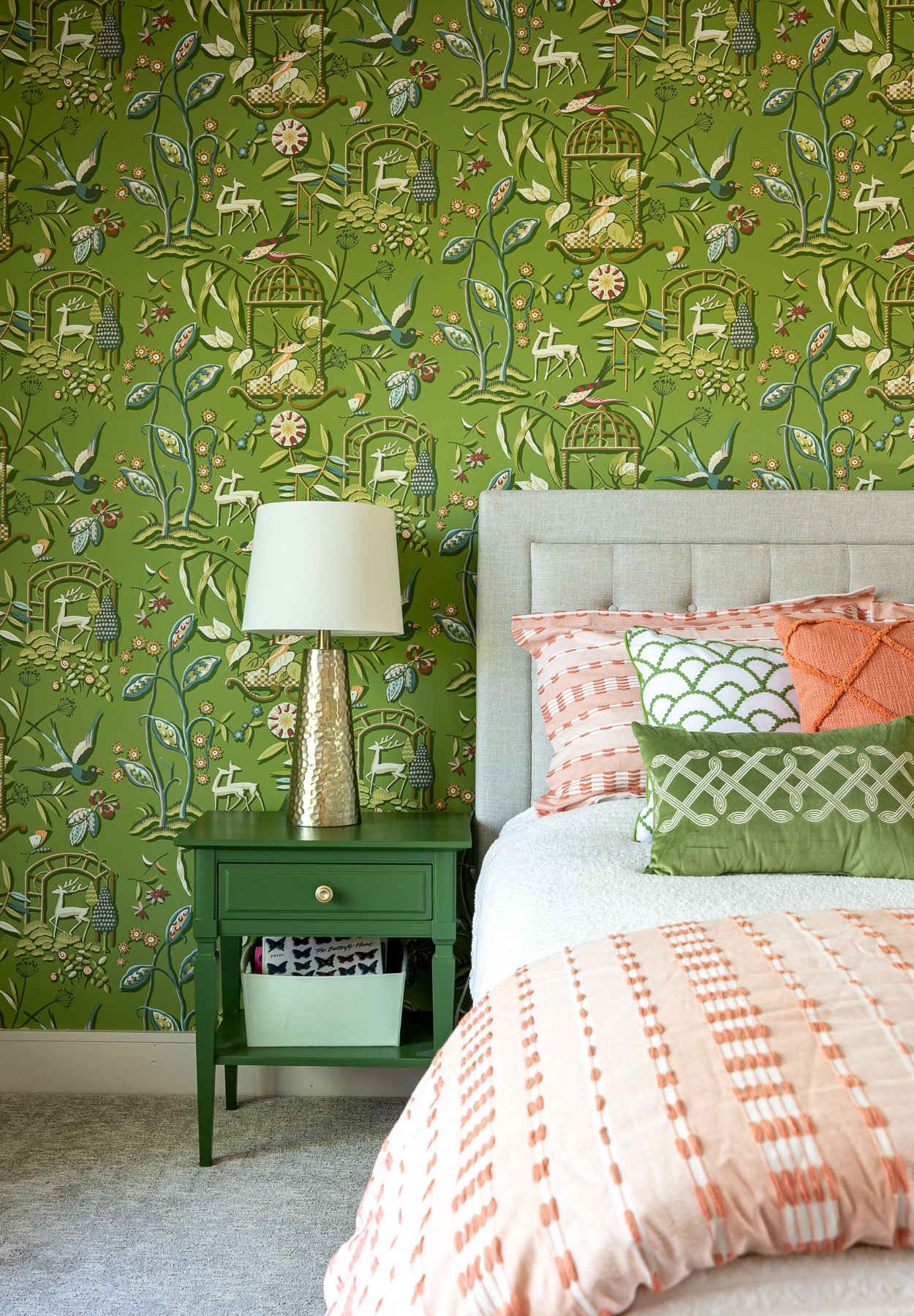
Then personalize the space aesthetically. Perhaps you have always wanted a dark, moody retreat or a soft, floral sanctuary. This is an opportunity to create a room that genuinely reflects and supports you.
Meanwhile, the former shared sleeping space can evolve as well, accommodating the needs of the remaining sleeper just as intentionally. At the end of the day, everyone deserves a space that invites rest, supports the body, and allows them to wake feeling restored.
And if guests arrive? Couples can always temporarily share a room again during short visits.
Navigating the social stigma
One of the largest barriers to separate sleeping spaces is perception. Many people assume separate bedrooms automatically signal relationship problems. In reality, many thriving couples make this choice specifically because it improves their relationship dynamic.
Some couples even maintain a shared primary bedroom for connection, movie nights, or intentional time together while also keeping individualized sleeping rooms tailored to their personal preferences. Different aesthetics, temperatures, lighting conditions, and routines can coexist beautifully under one roof.
Separate sleeping spaces are not necessarily about distance. Sometimes they are about preservation: of health, energy, patience, and connection.
And ultimately, it does not need to be anyone else’s business.
Keeping romance and intimacy alive
Sleeping separately does not mean abandoning intimacy. In fact, some couples find the arrangement creates more intentional connection and even a sense of playfulness. Simple phrases like these can turn the arrangement into something affectionate rather than clinical:
Can I tuck you in tonight?
Sleepover at your place or mine?
Can I make a reservation at Hotel Sarah tonight?
Couples can also intentionally choose nights to share a sleeping space, especially when a slightly disrupted night of sleep will not heavily impact the following day. Over time, even hesitant partners may come to appreciate the benefits of better rest.
When separate rooms are not possible
Not every home has the luxury of an additional bedroom, but there are still ways to support individual sleep needs within a shared space.
Reevaluate the mattress
A worn mattress often amplifies movement and sleep disruption. Adjustable beds can also allow each partner to customize firmness or elevation independently.
For couples with different sleep needs, the mattress is often the first and most important place to begin.
Layer bedding intentionally
Some people crave sensory input and weight while others need freedom to move and regulate temperature.
Layering can help accommodate both preferences within the same bed. For example, one partner may use a weighted blanket between the sheet and coverlet while the other keeps their side lighter and cooler.
Beautiful beds are often built through layered textures and intentional bedding choices. Curating individualized layers within a shared bed allows the space to remain visually cohesive while still supporting each partner’s unique comfort needs.
Dress it. Dissect it. Sleep. Repeat.
Rest is not selfish
Creating separate sleeping spaces is not about rejection. It is about recognizing that wellbeing matters.
When we sleep better, we function better physically, mentally, emotionally, and relationally. Sometimes the most loving thing partners can do for one another is create environments where both people are genuinely supported.
Because everyone deserves a space that welcomes slumber and leaves them better rested.
Take the Next Step
If you’re ready to transform your home into a sanctuary for well-being, start with a Sanctuary Assessment or discovery consultation. Together, we’ll explore how your space can support your health, reflect your authenticity, and connect you back to those you love through the natural beauty of the lakeshore.
Contact Tranquil Interiors today to begin designing beyond beautiful.
Welcome to the Neuro Design Blog
Leading insights on the connection between interior design and wellbeing.

Deanna Girardot, SIDC
Founder and Principal Interior Designer
Tranquil Interiors
Recent Posts