The Overlooked Power of Lighting When Aging in Place
The Overlooked Power of Lighting When Aging in Place
Why Better Illumination Supports Health, Safety, and Longevity
When conversations around aging in place begin, most people immediately think about bathroom grab bars, curbless showers, widened doorways, or non-slip flooring. While those modifications certainly matter, one of the most overlooked — and misunderstood — elements of aging in place is lighting.
Lighting impacts far more than visibility.
It influences safety, sleep quality, mood, circadian rhythm, cognitive function, and overall well-being. When designed intentionally, lighting can become one of the most supportive features within a home for those hoping to age comfortably and independently.
The Common Misunderstanding About Brightness
As we age, our eyes naturally require more light to function comfortably. Unfortunately, many homeowners attempt to solve this issue incorrectly by increasing the Kelvin temperature of their light bulbs rather than increasing the actual amount of light in the space.
These are not the same thing.
Higher Kelvin temperatures create cooler, bluer light. While many people associate this with brightness, excessive blue light can directly impact cortisol levels and disrupt melatonin production — interfering with healthy sleep patterns and circadian rhythms.
Instead of choosing colder lighting, the better solution is typically to increase lumens.
This means:
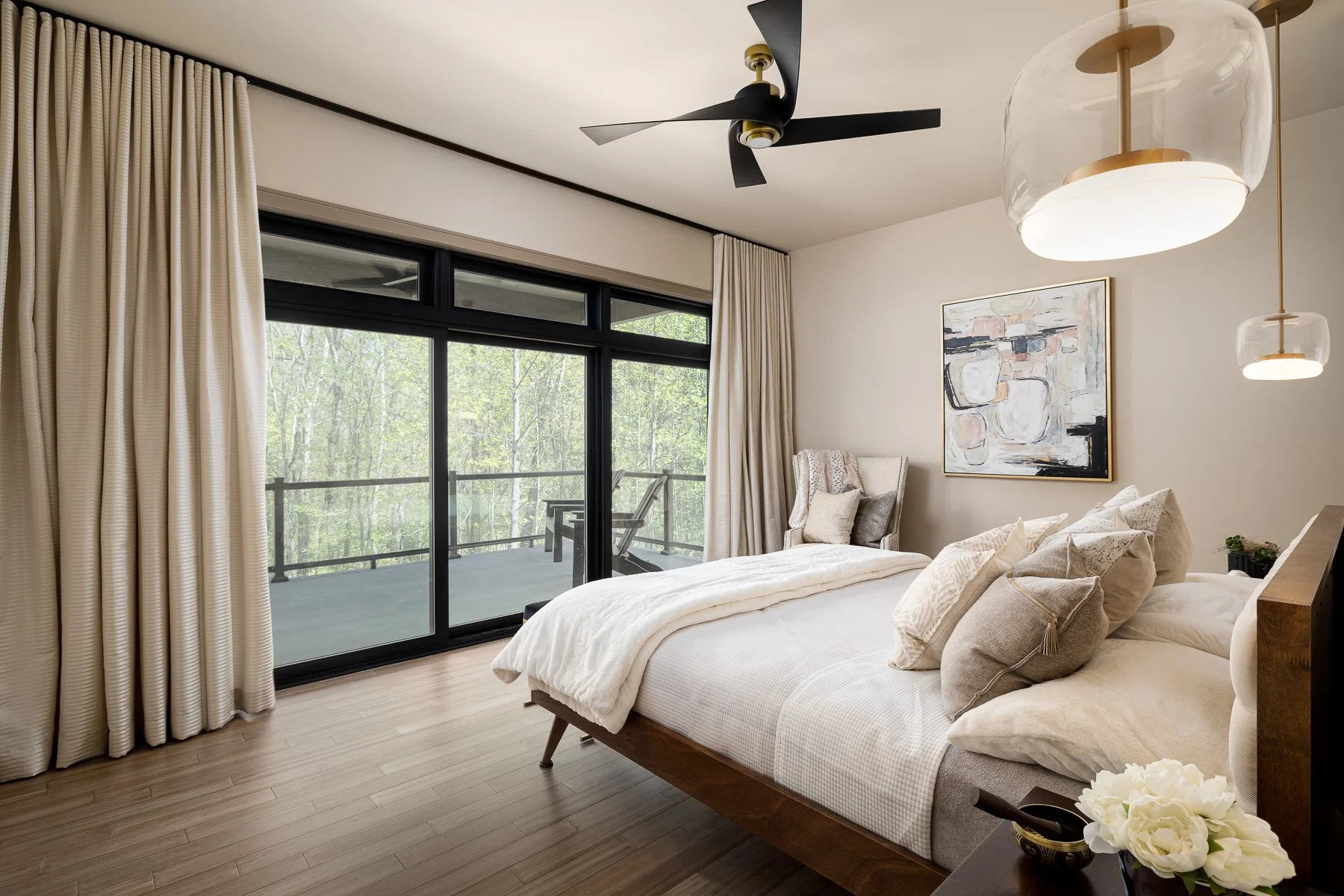
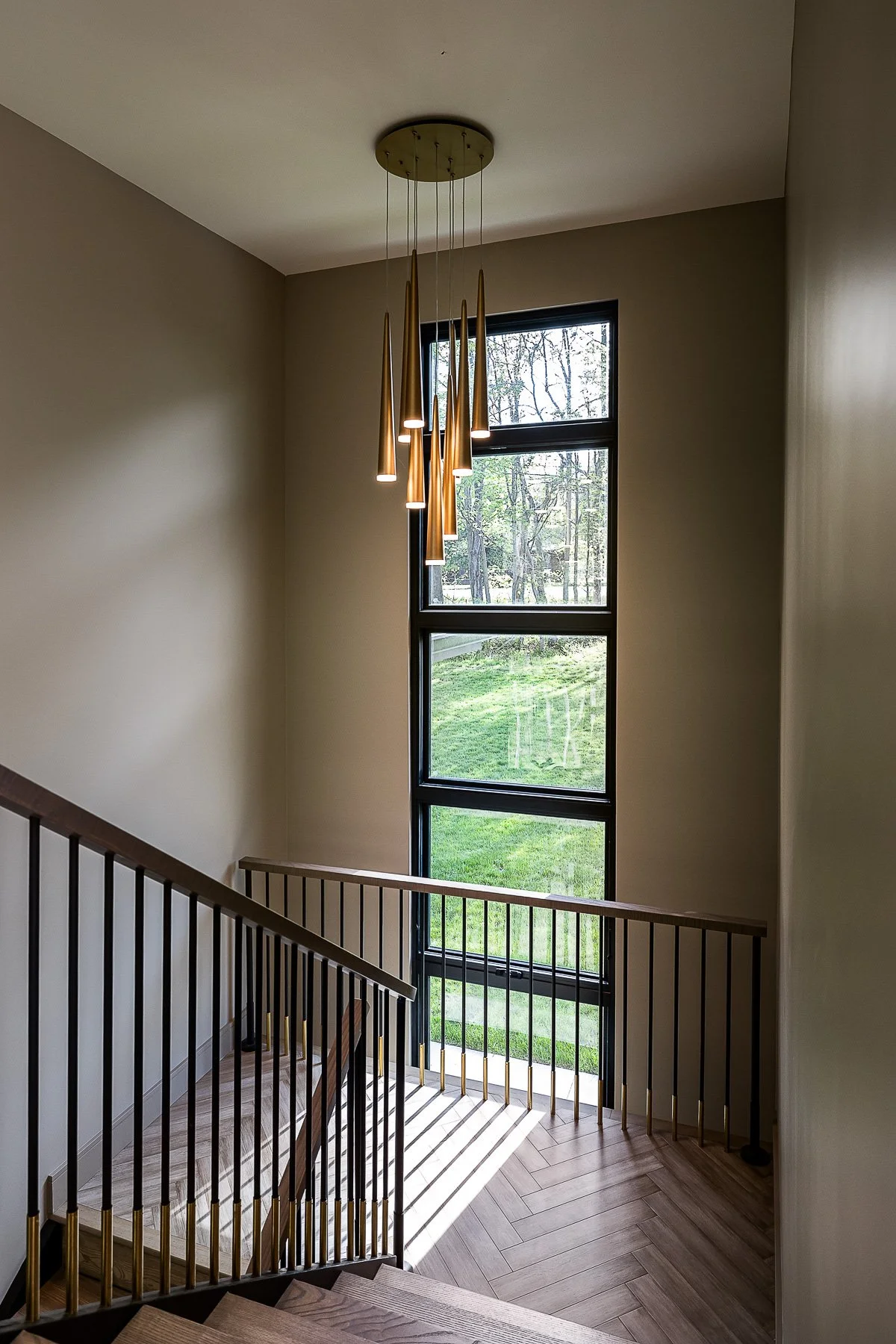
Adding more fixtures throughout the space
Selecting bulbs with higher lumen output
Maintaining a warmer Kelvin temperature between 2700K–3000K
The result is a brighter environment that still feels warm, calming, and supportive to the body.
Lighting and Circadian Rhythm
Proper lighting does much more than illuminate a walkway.
It plays a direct role in regulating the body’s circadian rhythm — the internal system responsible for sleep and wake cycles. Circadian health has a profound effect on overall wellness and longevity.
Quality sleep supports:
Cellular repair
Metabolism
Cognitive function
Emotional regulation
Immune system health
It may also help reduce the risk of chronic illnesses such as:
Diabetes
Obesity
Cardiovascular disease
When aging in place, maintaining healthy sleep patterns becomes increasingly important. Thoughtful lighting design can support that process naturally.
Maximize Natural Light Whenever Possible
Natural daylight is one of the most powerful tools available in the built environment.
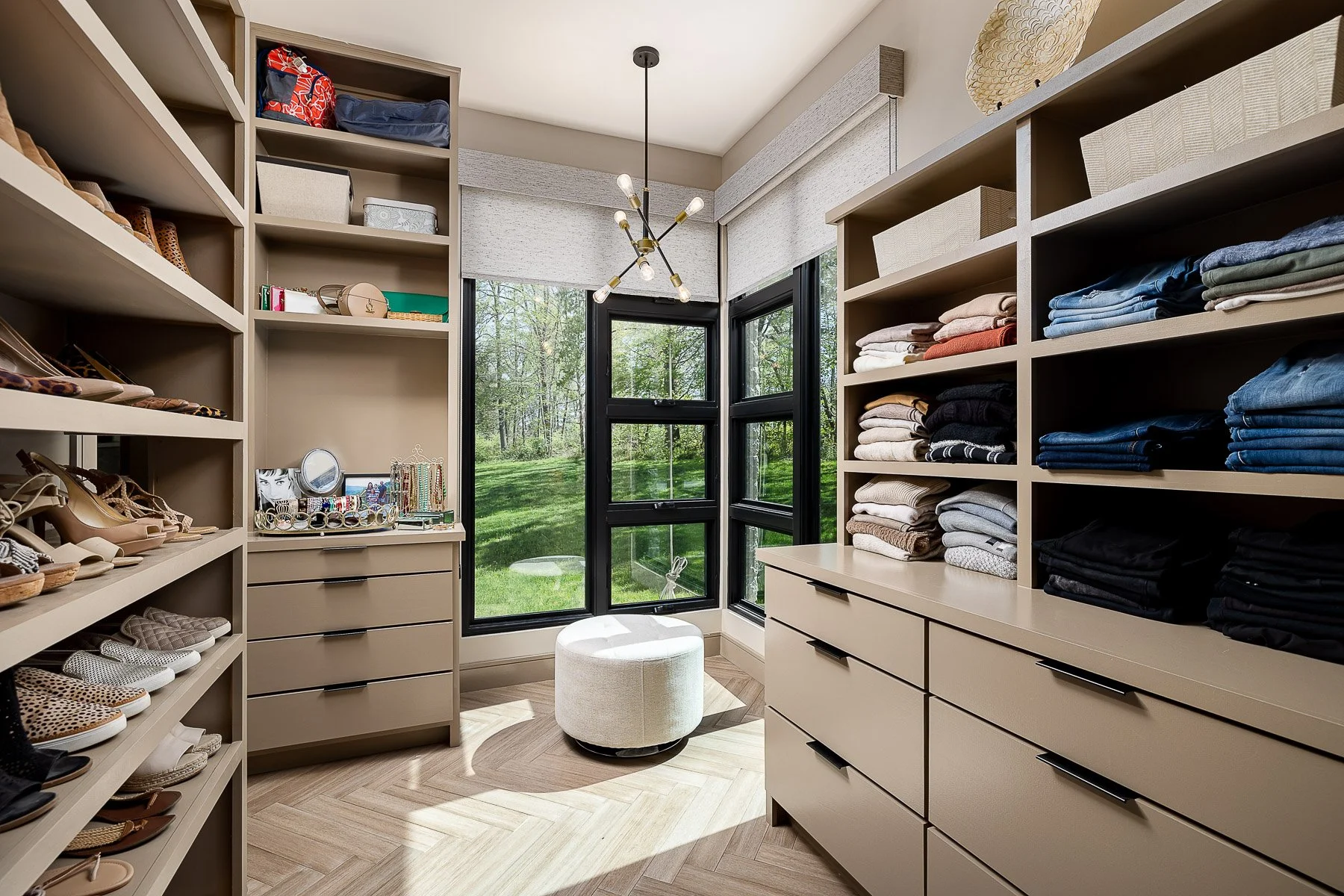
Whenever possible, aging-in-place spaces should maximize exposure to sunlight throughout the day. Replacing worn blinds or overly heavy window treatments with updated coverings that are easier to operate can dramatically improve both functionality and comfort.
Well-designed window coverings should:
Allow daylight to enter freely during the day
Maintain privacy at night
Be easy to operate for aging hands or limited mobility
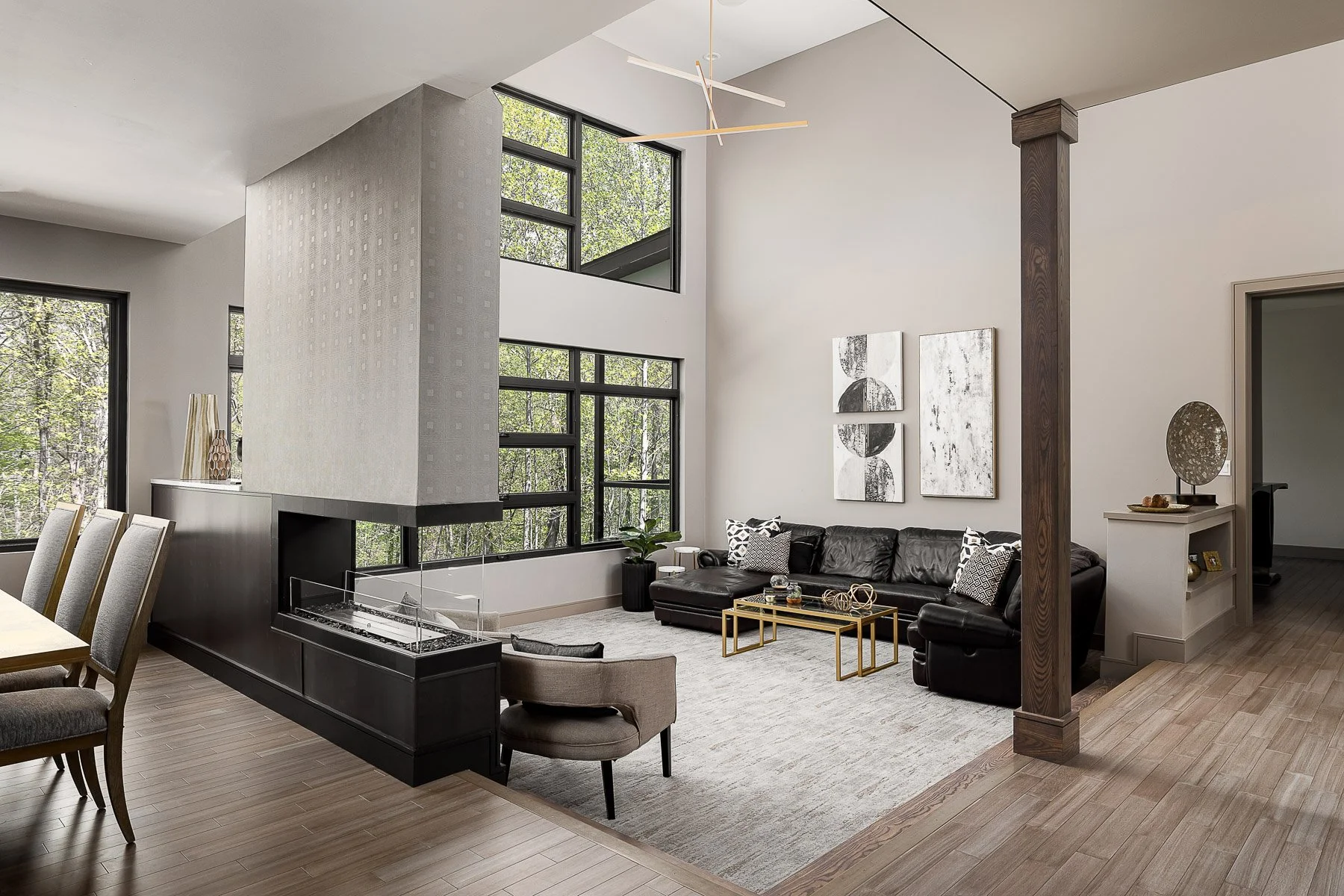
Natural light also creates a stronger connection to nature — something that can positively impact mood, cognition, and overall well-being. Sunlight filtering through trees, shifting shadows across a room, and changing daylight patterns provide moments of gentle fascination that stimulate the brain in calming and restorative ways.
Create Consistency Throughout the Home
Another commonly overlooked issue is inconsistent lighting temperature from room to room.
Walking from a warm space into one with harsh, cool-toned lighting can feel visually jarring and uncomfortable. Maintaining a unified Kelvin temperature throughout the home creates a more cohesive and calming experience.
As a general guideline:
Stay between 2700K–3000K whenever possible
Avoid exceeding 3500K in most residential settings
Aim for approximately 50 lumens per square foot in active areas
Use 10–20 lumens per square foot in areas designed for rest or relaxation
Dimmers are especially valuable because they allow a space to transition naturally throughout the day — supporting both functional tasks and restful evening routines.
Smart Lighting and Aging in Place
Dynamic or smart lighting systems can offer additional support for aging in place.
These systems mimic the natural changes in daylight throughout the day by adjusting color temperature and brightness automatically. While they require some upfront investment and programming, they can significantly support circadian rhythm and healthy sleep patterns.
Lighting placed on timers can also help create gentle behavioral cues, signaling when it’s time to wind down for bed or transition into different activities.
In regions like West Michigan, where winter days are short and summer daylight stretches long into the evening, acknowledging seasonal light shifts becomes especially important. Designing a home that responds to these natural cycles can better support physical and emotional well-being year-round.
Functional Lighting Can Still Be Beautiful
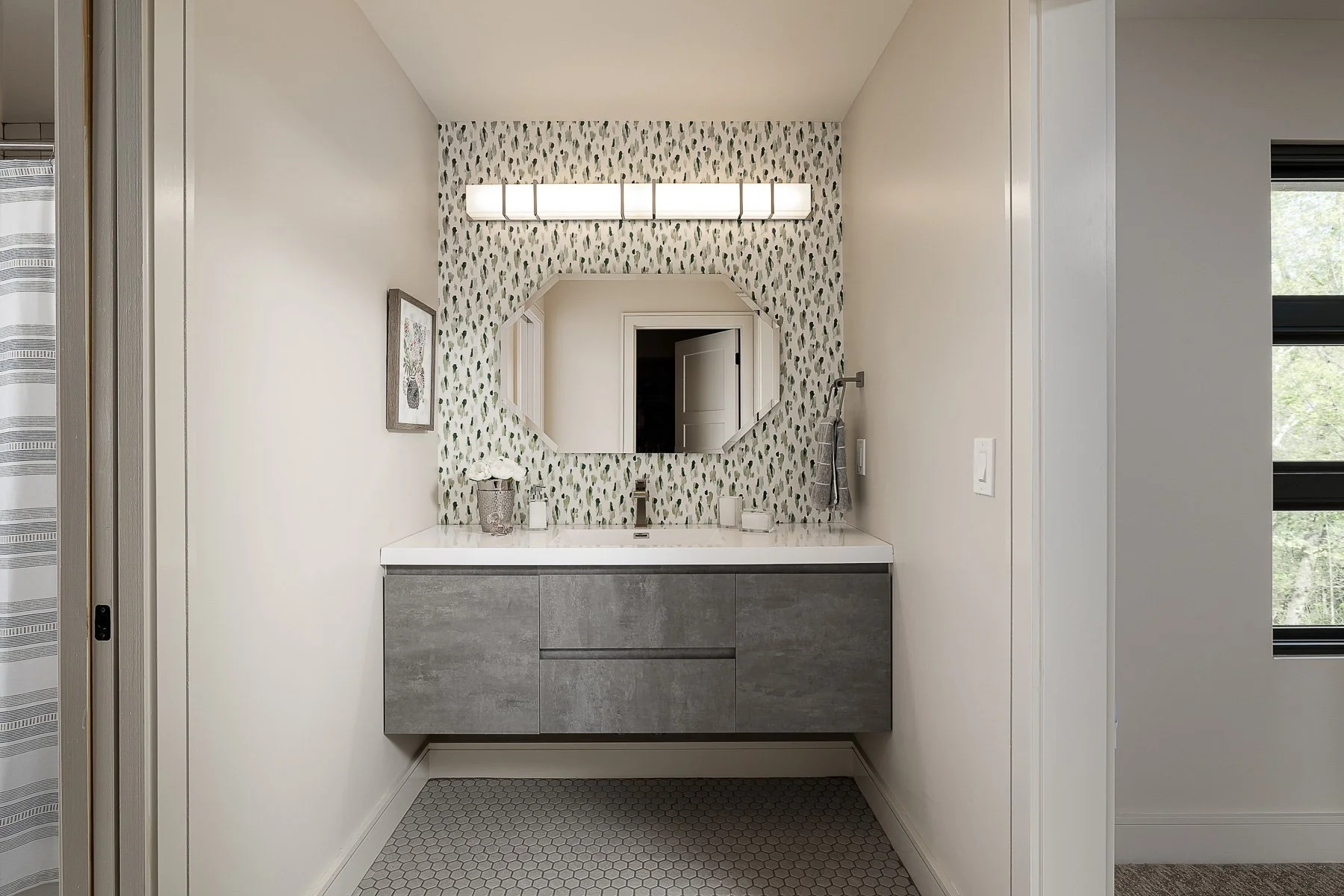
Supportive lighting does not have to feel clinical or institutional.
In fact, lighting has long been used to create mood, highlight architectural features, and enhance beauty within a home.
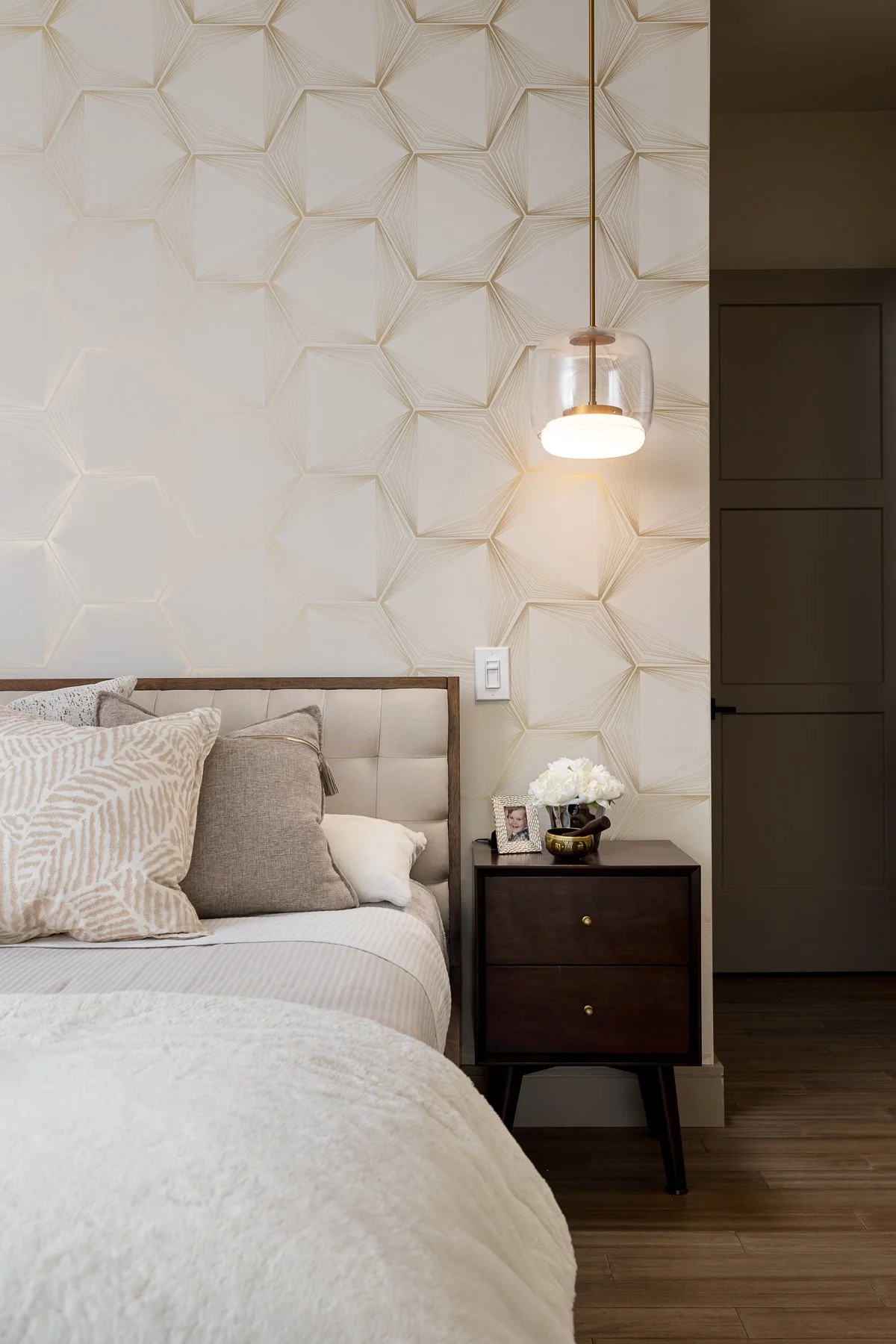
Thoughtful additions such as:
A beautiful reading lamp
Decorative bedside sconces
Accent lighting over artwork
Uplighting within planters
Soft layered ambient lighting
can dramatically improve illumination while simultaneously elevating the overall aesthetic of the space.
Good lighting should support both function and feeling.
Designing for Longevity
Aging in place is about much more than preventing falls.
It’s about creating environments that continue to support physical health, emotional comfort, independence, and quality of life over time. Lighting plays an enormous role in that experience, yet it is often one of the last elements considered.
When approached thoughtfully, lighting becomes more than a utility.
It becomes a tool for wellness, restoration, safety, and longevity — helping people feel better supported in the spaces they call home.
Take the Next Step
If you’re ready to transform your home into a sanctuary for well-being, start with a Sanctuary Assessment or discovery consultation. Together, we’ll explore how your space can support your health, reflect your authenticity, and connect you back to those you love through the natural beauty of the lakeshore.
Contact Tranquil Interiors today to begin designing beyond beautiful.
Welcome to the Neuro Design Blog
Leading insights on the connection between interior design and wellbeing.

Deanna Girardot, SIDC
Founder and Principal Interior Designer
Tranquil Interiors
Recent Posts