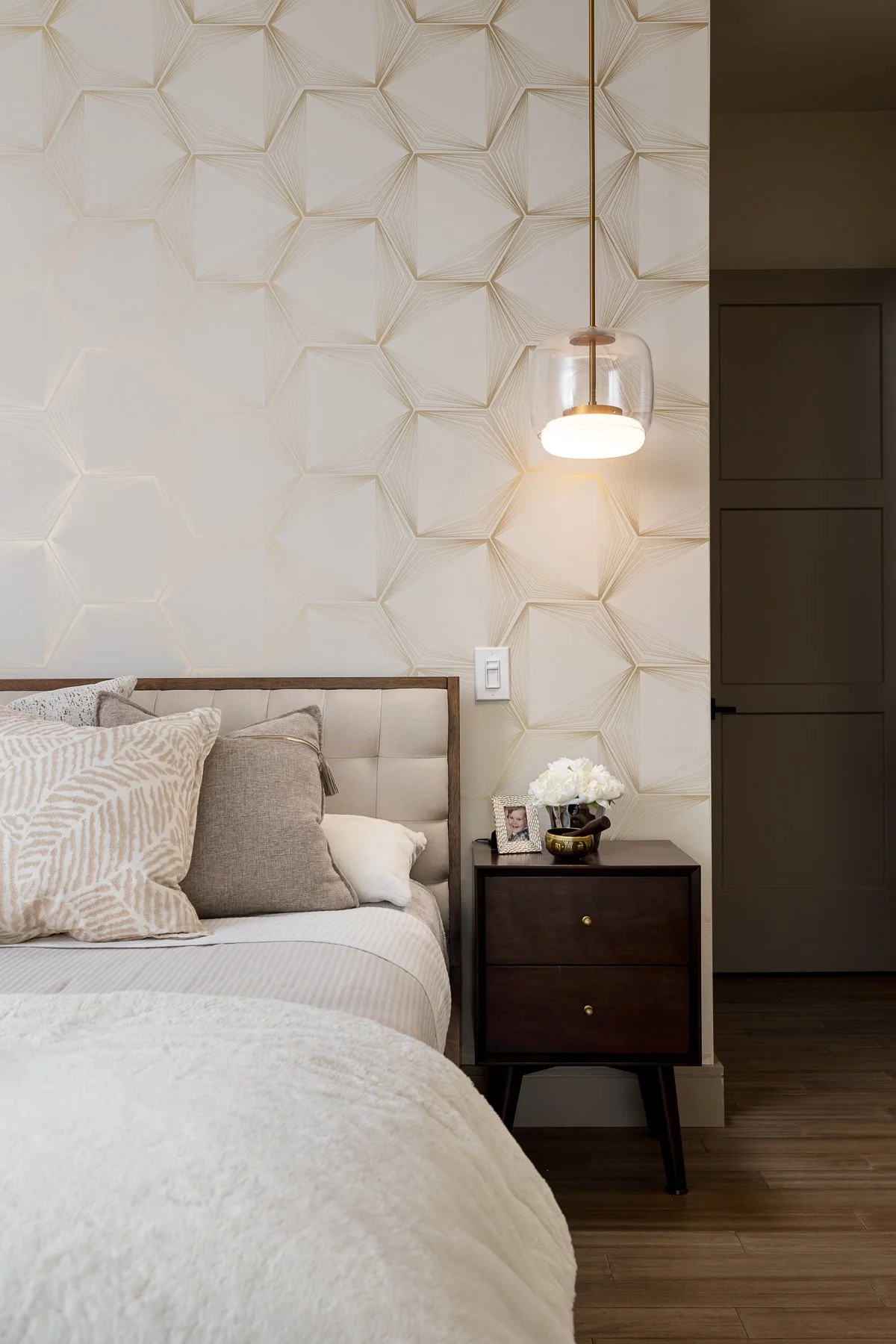
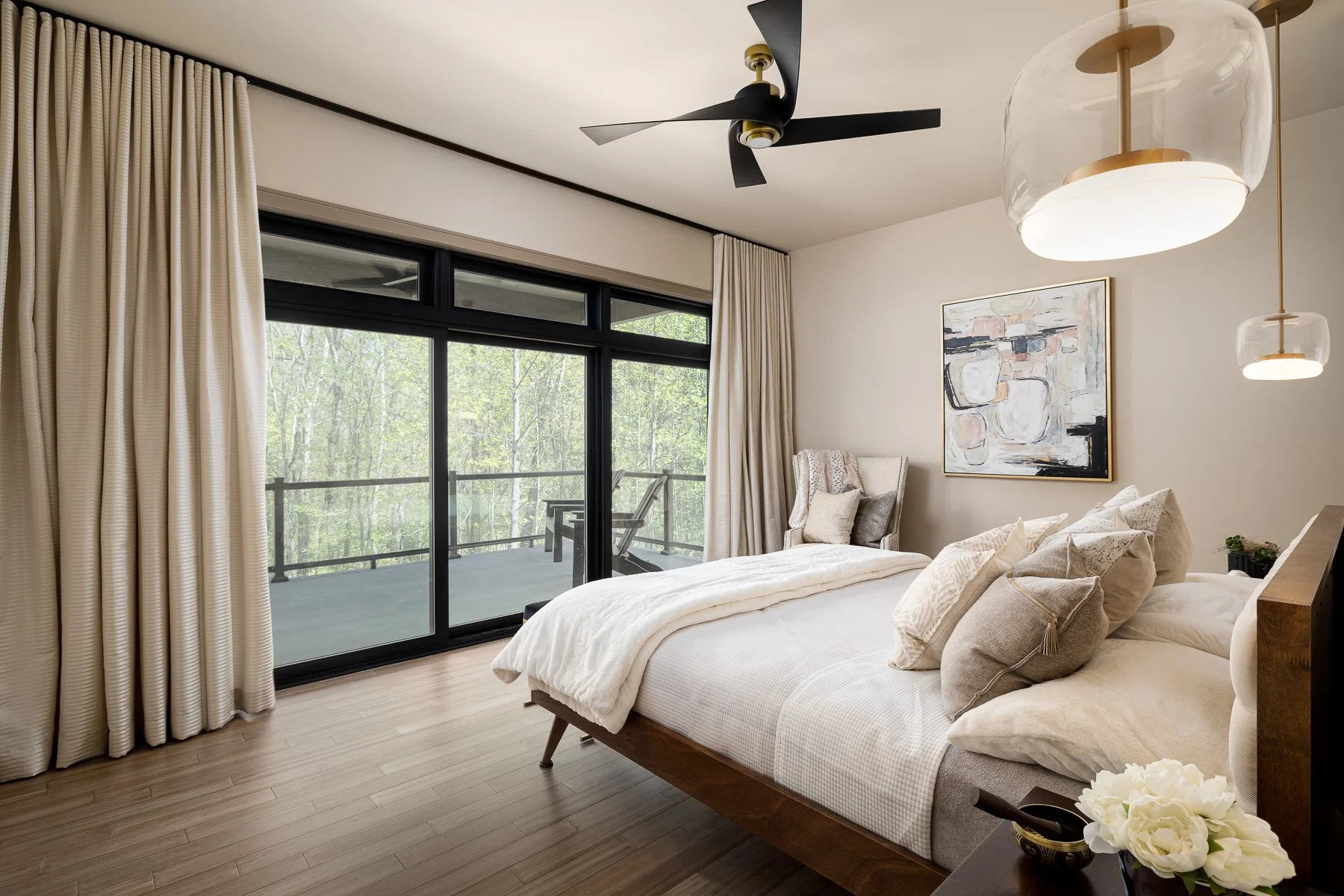
Is Your Home Supporting or Aggravating Your Stress?
Is Your Home Supporting or Aggravating Your Stress?
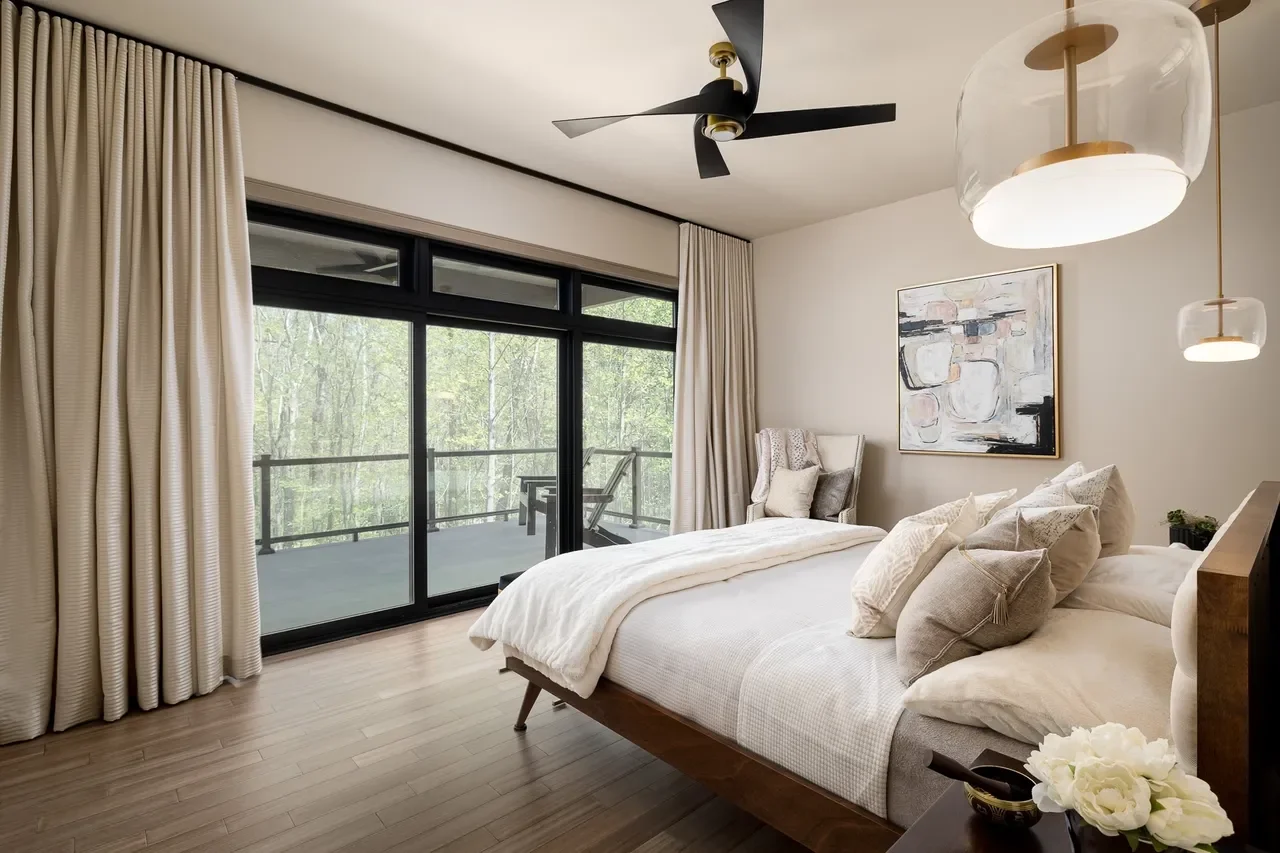
STRESS: It’s Inevitable—How Are You Managing Yours?
We hear it everywhere—tips, tricks, and hacks to manage stress. But most advice focuses on what we should do rather than how to prepare for it. Quality sleep is crucial, but is your bedroom optimized for relaxation and restorative rest? Exercise is a great stress reliever, but do you have a dedicated home wellness space? Connecting with nature is scientifically proven to reduce stress, but what if your urban environment limits daily outdoor exposure?
At Tranquil Interiors, we believe stress management starts with the foundation of your environment. Inspired by Neuroaesthetics and Biophilic Design, we create spaces that don’t just look beautiful—they actively enhance mental and physical well-being.
Just as Maria Montessori emphasized preparing an environment for success, our homes should be designed to encourage stress relief and self-care. A functional kitchen streamlines the morning routine. An organized mudroom keeps essentials accessible. A thoughtfully designed bedroom fosters deep, restorative sleep. By applying Biophilic and Neuroaesthetic principles, we tap into the subconscious, creating a home that supports calm and balance.
Is Your Home Supporting or Aggravating Your Stress?

Lighting: Optimizing Circadian Rhythm for Better Sleep & Focus
What we often hear: Reduce caffeine and screen time for better rest.
How we design for that: Optimize lighting for natural rhythms.
Light plays a critical role in stress management and sleep quality. Harsh artificial lighting can overstimulate the nervous system, much like a double shot of espresso, triggering cortisol spikes and increasing fatigue, depression, and anxiety. Meanwhile, insufficient natural light contributes to metabolic disorders like obesity and diabetes.
Stress-Reducing Lighting Solutions:
Maximize daylight exposure—arrange furniture to capture sunlight, open blinds, and use sheer curtains.
Incorporate circadian lighting that mimics the sun’s natural cycle to support melatonin production at night.
Use warm light (2700K bulbs) in the evening to signal the body to wind down.
Eliminate light pollution in the bedroom with blackout curtains and dimmable lamps.
Proper lighting design directly influences productivity, focus, and emotional well-being—all crucial for stress reduction.
Air Quality & Temperature: Creating a Healthy Indoor Environment
What we hear: Breathe deeply, practice mindfulness.
How we design for that: Improve indoor air quality and maintain optimal temperatures.
Did you know 99% of the world’s population breathes polluted air daily? Indoor air pollution contributes to allergies, asthma, headaches, and cognitive decline.
Solutions for Cleaner, Healthier Air:
Use HEPA air purifiers to reduce indoor pollutants and allergens.
Enhance ventilation by integrating air filtration systems and regularly opening windows.
Maintain balanced humidity (30-60%) to prevent dry air or excess moisture, which can impact respiratory health.
Regulate home temperature zones for comfort and optimal relaxation.
Creating Spaces for Movement & Mindfulness
What we hear: Exercise, practice self-care, meditate.
How we design for that: Curate wellness spaces suited to personal stress-relief preferences.
Not all stress-relief activities look the same. Some individuals prefer still and serene practices like yoga, journaling, and meditation. Others thrive through creative outlets like painting, music, or writing. High-energy individuals may need dynamic movement such as strength training, running, or high-intensity workouts.
Solutions for an Intentional Wellness Space:
Designate a movement-friendly zone—a quiet area for yoga or a home gym with weights and resistance bands.
Create a creative expression station—organize art supplies, a music area, or a journaling nook.
Use energizing colors and open layouts to enhance motivation and focus.
Bringing Nature Indoors: The Ultimate Stress Reliever
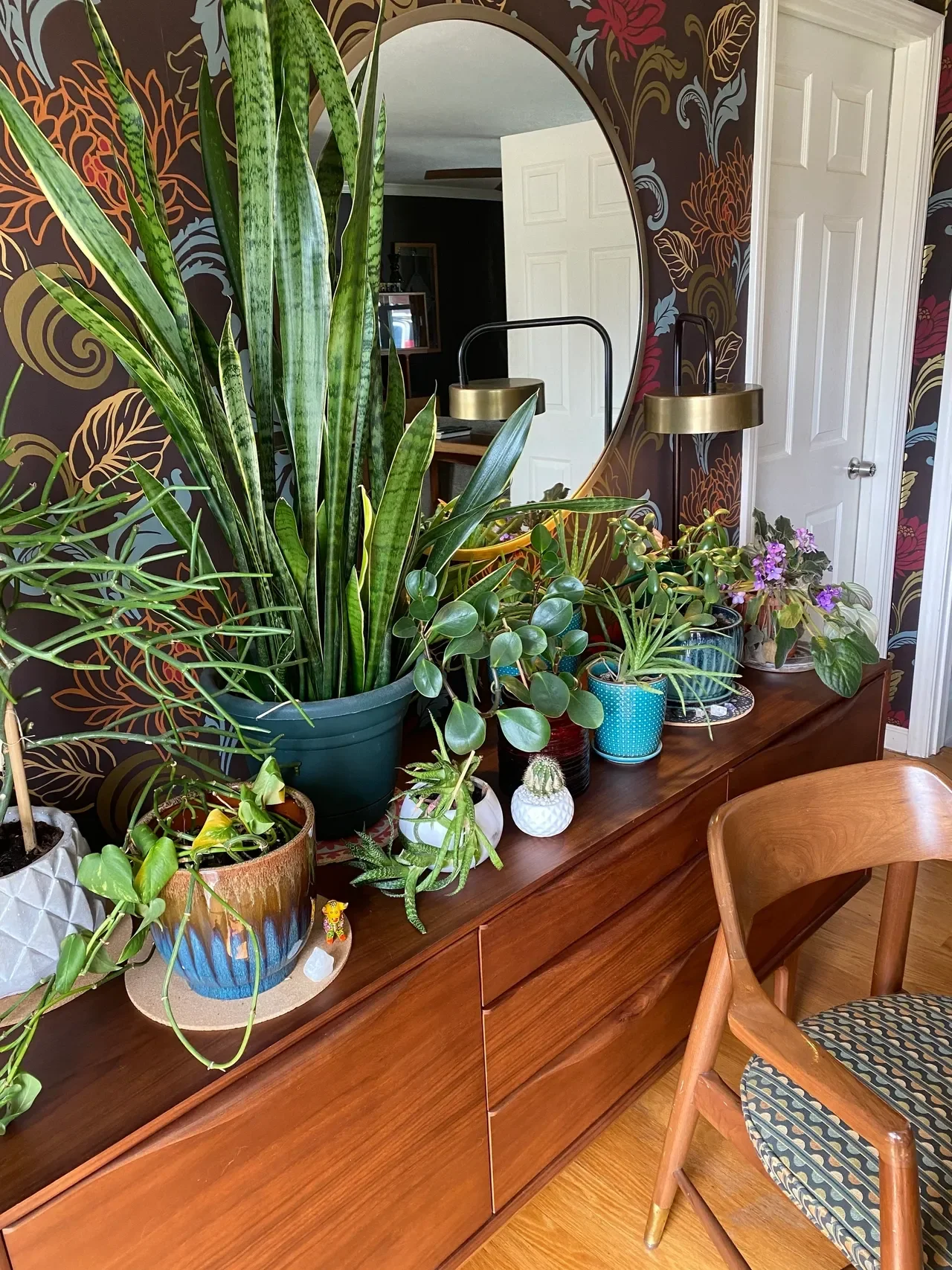
What we hear: Get outside, connect with nature.
How we provide interior design for health and well-being: Integrate Biophilic Design for a stronger connection to nature indoors.
We spend 90% of our time indoors, yet research in Neuroscience and Biophilic Design proves that nature exposure significantly reduces cortisol levels, lowers blood pressure, and improves overall mood.
Biophilic Design goes beyond adding houseplants—it’s about creating a full sensory connection to nature.
Stress-Reducing Biophilic Elements to Incorporate:
Natural materials like wood, stone, and organic textiles.
Biomorphic patterns and forms that mimic nature’s organic flow.
Soothing soundscapes such as water features or nature-inspired music.
Strategic plant placement to enhance air quality and relaxation.
Our nervous system is wired to respond positively to nature, making Biophilic Design one of the most impactful stress-management strategies.
Your Home Should Be Your Sanctuary—Start Designing for Well-Being
Managing stress isn’t just about what you do—it’s about where you do it.
By preparing your home with Neuroaesthetic and Biophilic principles, stress management becomes second nature. You create an environment where self-care is effortless and deeply integrated into daily life.
Assess Your Space:
✔️ Is your bedroom optimized for deep sleep?
✔️ Does your lighting support your natural rhythms?
✔️ Are you breathing clean, high-quality air?
✔️ Is your home designed for movement and mindfulness?
✔️ Do you feel a strong connection to nature indoors?
If not, it might be time for a Sanctuary Assessment—a personalized plan to transform your space into a stress-relieving haven.
Let’s create a home that supports you because luxury is about living well in a space that fully supports your well-being.
Welcome to the Neuro Design Blog
Leading insights on the connection between interior design and wellbeing.

Deanna Girardot, SIDC
Founder and Principal Interior Designer
Tranquil Interiors
Recent Posts